
Introduction
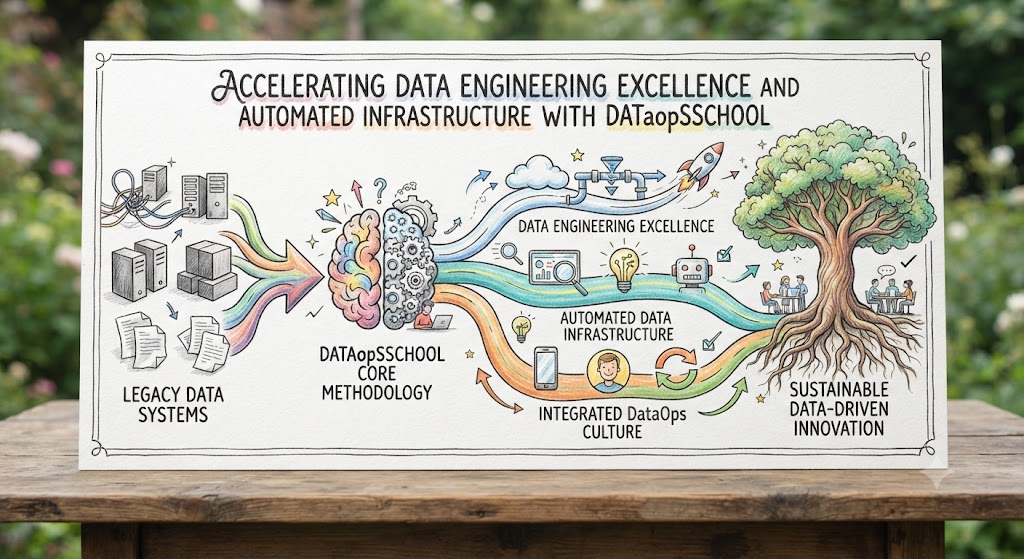
Organizations today capture staggering volumes of digital information across multiple cloud environments and transactional systems. However, accumulating massive datasets offers little value if your analytical pipelines constantly break or deliver inaccurate numbers to leadership. Traditional data engineering workflows often rely on manual interventions, fragmented tools, and reactive troubleshooting. This creates constant burnout for technical teams while eroding executive trust in crucial business intelligence reports. Shifting to an automated and collaborative operational culture remains essential for solving persistent data reliability issues.
Navigating this operational transformation requires clear guidance and structured industry knowledge. Engineering teams frequently struggle to bridge the gap between legacy software development and modern data delivery. Whether you are an individual practitioner looking to validate your technical expertise or an enterprise leader aiming to streamline infrastructure, a proven methodology is mandatory. This comprehensive guide explores how modern data operations work and how you can master these strategies to drive exceptional business outcomes.
What is DataOps?
To fully grasp this modern methodology, we must first address a fundamental question: What is DataOps? At its core, DataOps is an automated, process-oriented framework designed to improve the velocity, quality, and reliability of data analytics. It harmonizes agile development methodologies, DevOps automation principles, and comprehensive data quality management into a unified strategy. Instead of treating data pipelines as fragile, isolated scripts, this approach treats data as a continuous product flowing seamlessly from source to dashboard.
Applying continuous integration and continuous deployment concepts to data workflows allows teams to catch schema anomalies and transformation bugs before they reach production. Cross-functional collaboration improves drastically because software developers, data engineers, and business analysts share transparent feedback loops and automated testing frameworks. Ultimately, this eliminates operational friction and empowers organizations to innovate rapidly with absolute confidence in their underlying metrics.
Why DataOps Matters for Modern Data Teams
Legacy data engineering practices are heavily bogged down by slow delivery cycles and silent pipeline failures. When an upstream table changes unexpectedly, downstream reports break without warning, leaving business stakeholders to make critical decisions based on corrupted insights. Debugging these silent failures consumes countless engineering hours that could otherwise be spent building high-value features. Implementing a modern operational framework replaces this chaotic firefighting with proactive monitoring and automated validation checks.
Furthermore, today’s data teams navigate complex multi-cloud environments, real-time streaming ingestion, and stringent regulatory compliance mandates. Manual pipeline management simply cannot scale to meet these rigorous demands. Introducing automated workflows ensures that your entire data infrastructure remains resilient, scalable, and maintainable over time. Consequently, engineers spend less time managing infrastructure fires and more time delivering impactful analytical capabilities.
Core Components of a DataOps Environment
Constructing a robust data operations ecosystem depends on several vital pillars operating in tandem. First, automated pipelines facilitate seamless ingestion, transformation, and loading without requiring manual triggers. Second, robust CI/CD frameworks enable developers to test code changes securely in isolated staging environments prior to production deployment. Third, automated testing suites continuously scan incoming data streams for missing values, structural anomalies, and unexpected schema drift.
Workflow orchestration represents another crucial layer, managing task dependencies and execution schedules across disparate software utilities. Version control systems track every iterative change made to data models and transformation logic, ensuring complete auditability and effortless rollbacks. Finally, continuous observability tools offer deep transparency into pipeline execution health and performance metrics, allowing teams to resolve bottlenecks before end-users notice disruptions.
Understanding DataOps Tools
Selecting an optimized technology stack is essential for building a resilient data architecture. Modern DataOps tools span several specialized categories, including orchestration platforms like Apache Airflow, modular transformation engines like dbt, and automated data validation platforms like Great Expectations. These solutions integrate effortlessly with version control software and cloud data warehouses to streamline the entire development lifecycle. When chosen correctly, they minimize manual intervention and enforce strict coding consistency across the engineering group.
| Tool Category | Popular Examples | Primary Function |
| Orchestration | Apache Airflow, Prefect | Managing workflow task dependencies and execution schedules |
| Transformation | dbt, Coalesce | Executing modular SQL transformations and automated data tests |
| Data Quality | Great Expectations, Monte Carlo | Automated validation, testing, and continuous observability |
| Version Control | Git, GitHub, GitLab | Tracking code modifications and supporting CI/CD pipelines |
How DataOps Changes the Data Engineering Workflow
In traditional enterprise setups, data engineers write complex transformation scripts, deploy them manually via terminal commands, and hope nothing breaks in production. When downstream dashboards crash, they enter an intense, stressful troubleshooting mode. DataOps completely reinvents this daily workflow by introducing automated unit testing, staging environments, and mandatory peer reviews for every single code change. Engineers write transformation logic, push it to a repository, and let automated pipelines execute rigorous validation tests instantly.
This operational shift fosters a culture of shared responsibility and rapid feedback. If a proposed code alteration breaks a downstream dependency, the CI/CD pipeline immediately halts deployment and notifies the author. Engineers can experiment safely in isolated feature branches without risking production downtime. As a result, deployments evolve into routine, low-risk operational events instead of high-stakes organizational hurdles.
DataOps Training: What Should You Learn?
Transitioning into this specialized technical domain demands a comprehensive and well-rounded educational roadmap. Effective DataOps Training programs must blend foundational software engineering principles with advanced data architecture concepts. Learners need to master version control workflows, automated testing frameworks, containerization via Docker, and cloud infrastructure management. Understanding how to write modular code and deploy CI/CD pipelines is just as critical as mastering advanced SQL queries or cloud warehouse optimization.
Beyond technical coding skills, training initiatives should emphasize collaboration frameworks and agile project management methodologies. Practitioners must learn how to measure pipeline latency, track data lineage maps, and enforce strict security and governance policies. Selecting a structured curriculum guarantees that learners cover all essential industry standards required in fast-paced enterprise environments.
Using a DataOps Tutorial to Build Practical Skills
Studying theoretical frameworks provides a solid foundation, but hands-on practice truly solidifies technical understanding. A comprehensive, step-by-step DataOps Tutorial delivers the practical experience required to build, test, and maintain real-world pipelines. By following guided exercises, learners can configure local development environments, set up orchestration servers, and write automated quality tests for data transformations.
Working through realistic troubleshooting scenarios—such as handling sudden schema migrations or debugging failing DAGs—prepares engineers for unexpected production incidents. These tutorials effectively bridge the gap between abstract architectural concepts and daily execution. Consistently practicing these workflows builds the muscle memory necessary to solve complex challenges in professional settings.
DataOps Certification and Professional Development
As organizations aggressively adopt modern data practices, certified professionals experience unprecedented demand across the global technology market. Earning a professional credential validates your verified capability to design, build, and maintain robust data pipelines using industry-standard methodologies. It demonstrates to prospective employers that you possess proven expertise in automation, reliability, and modern architecture.
Professional development in this discipline requires continuous learning, active community participation, and keeping pace with evolving cloud technologies. Whether you want to secure a major promotion or transition from a traditional DevOps or data engineering background, structured certifications offer a reliable benchmark of your technical proficiency.
Becoming a Certified DataOps Engineer
A Certified DataOps Engineer possesses deep, hands-on knowledge of pipeline automation, testing frameworks, and continuous monitoring tools. Achieving this professional milestone requires a firm grasp of how to build resilient ETL workflows, write comprehensive data tests, and manage CI/CD pipelines. These engineers work directly with orchestration engines, version control systems, and cloud environments to guarantee smooth data delivery.
Preparation for this certification involves mastering code-based transformations, basic containerization, and proactive incident response strategies. Certified engineers act as vital bridges between data producers and analytical consumers, ensuring high availability and pristine data quality across all reporting layers.
Certified DataOps Architect
While engineers concentrate on day-to-day pipeline implementation, a Certified DataOps Architect designs the overarching enterprise data strategy. Architects evaluate tool ecosystems, design multi-cloud storage topologies, and establish secure governance frameworks that scale efficiently. They must meticulously balance performance, operational cost, security compliance, and architectural efficiency across the entire corporate data footprint.
Transitioning into an architect role demands profound strategic vision and extensive hands-on experience with enterprise-grade data platforms. These senior professionals lead major organizational transformations, mentor junior team members, and define standard operating procedures for data development, security, and disaster recovery.
DataOps Consulting for Organizations
Many growing companies struggle to adopt modern operational frameworks internally due to entrenched legacy systems and internal skill shortages. Specialized DataOps Consulting services help businesses audit their current data maturity, identify workflow bottlenecks, and design customized transformation roadmaps. Expert consultants collaborate directly with internal engineering groups to migrate legacy scripts, implement CI/CD pipelines, and establish proactive monitoring systems.
Strategic consulting drastically accelerates time-to-value by helping organizations sidestep common architectural pitfalls and costly trial-and-error phases. External consultants bring proven methodologies and multi-industry best practices, enabling companies to achieve operational excellence much faster than through internal efforts alone.
DataOps Services for Growing Teams
As corporate data volumes and architectural complexity scale upward, internal teams frequently require ongoing support beyond initial consulting engagements. Managed DataOps Services provide continuous pipeline maintenance, proactive monitoring, security hardening, and ongoing performance tuning. These managed offerings allow internal engineering groups to focus entirely on core product development and business analytics rather than routine infrastructure upkeep.
Partnering with external operational specialists ensures your data platform remains resilient, secure, and fully optimized as your business expands. Whether you require ad-hoc emergency troubleshooting or comprehensive 24/7 observability management, dedicated services protect your analytical foundation against unexpected failures.
Who Can Benefit From Learning DataOps?
The principles of modern data operations extend far beyond traditional data engineers. A diverse array of technology professionals can accelerate their career trajectory by mastering these concepts and methodologies.
- Data Engineers: Learn to automate testing, deployments, and monitoring to eliminate repetitive pipeline maintenance fatigue.
- DevOps Engineers & SREs: Apply your core infrastructure and automation expertise to the fast-growing data engineering domain.
- Analytics Engineers: Bridge the gap between raw data sources and business intelligence by embracing software engineering best practices.
- Data Architects & Leaders: Design scalable, secure, and cost-effective enterprise data platforms that drive reliable business insights.
A Practical DataOps Learning Roadmap
Embarking on this professional educational journey requires a structured, phase-by-phase approach. Attempting to learn every tool and framework simultaneously often leads to burnout and superficial understanding.
- Master the Basics: Understand core agile workflows and answer the foundational questions surrounding modern data operations.
- Learn Scripting and Version Control: Gain deep proficiency in Python, SQL, and Git for managing code modifications.
- Explore Transformation and Orchestration: Build modular workflows using industry-standard tools like dbt and Apache Airflow.
- Implement CI/CD and Testing: Write automated data quality checks and configure continuous integration deployment pipelines.
- Pursue Professional Certification: Validate your technical expertise by preparing for specialized engineering and architecture credentials.
Common DataOps Mistakes to Avoid
Organizations and learners frequently stumble when adopting new operational frameworks due to avoidable strategic missteps. One major error is focusing exclusively on purchasing software tools rather than fostering culture and process changes. Buying expensive platforms will not resolve collaboration silos if team members refuse to share operational responsibilities.
Another common pitfall involves attempting to automate every single pipeline overnight. Successful transformations start small, focusing on a single high-impact workflow before expanding enterprise-wide. Finally, neglecting automated testing and data observability leads directly to silent production failures. Prioritize continuous data validation from day one to maintain long-term trust in your analytical outputs.
How DataOpsSchool Can Support Your Learning Journey
Mastering modern data operations requires a dedicated partner that delivers structured education, practical insights, and professional guidance. DataOpsSchool serves as a specialized learning platform designed to help both individuals and enterprises navigate this complex technical landscape. By offering comprehensive educational resources, structured learning paths, and expert-led training, the platform equips you with the real-world skills required to excel in today’s digital economy.
Whether you are starting from scratch and exploring fundamental concepts or striving to become a certified enterprise architect, the platform provides tailored support at every stage. Through practical tutorials, expert consulting, and industry-focused training, DataOpsSchool empowers you to build reliable, scalable, and fully automated data platforms with complete confidence.
Frequently Asked Questions About DataOpsSchool
What is DataOpsSchool and who is its primary audience?
DataOpsSchool is a specialized learning and professional services platform built for data engineers, DevOps professionals, analytics teams, and technology enterprises wanting to master modern data operations.
Do I need prior programming experience before starting?
Basic familiarity with SQL and Python is helpful, but the platform provides structured educational resources ranging from beginner tutorials to advanced architectural guides.
How does DataOps differ from traditional software DevOps?
While DevOps focuses primarily on software application delivery, DataOps specifically addresses the unique operational challenges of managing data pipelines, schema changes, and data quality.
Can DataOpsSchool help me prepare for professional certifications?
Yes, the platform offers specialized training programs designed to help professionals prepare for roles such as Certified DataOps Engineer and Certified DataOps Architect.
Are there dedicated resources available for enterprise organizations?
In addition to individual training paths, DataOpsSchool provides customized consulting and professional services to help companies improve data reliability and automation efficiency.
What core tools are covered across the training materials?
Learners explore industry-standard tools including Apache Airflow, dbt, Git version control, containerization technologies, and various automated data quality testing frameworks.
How can DataOps consulting benefit my corporate team?
Consulting services help identify workflow bottlenecks, migrate legacy pipelines, implement robust CI/CD frameworks, and optimize overall data platform performance.
Is the learning content focused on theory or practical application?
The curriculum strongly emphasizes hands-on, industry-focused knowledge, step-by-step tutorials, and real-world use cases to ensure practical skill development.
How do I choose between the engineer and architect learning paths?
Engineers typically focus on pipeline implementation, testing, and day-to-day automation, whereas architects focus on enterprise strategy, security governance, and multi-cloud design.
How do I get started with DataOpsSchool?
You can explore the available courses, training modules, and professional services directly on the official platform to begin your modern data operations journey.
Final Thoughts
Embracing modern data operations is no longer optional for organizations striving to maintain a competitive edge in a data-driven marketplace. By breaking down organizational silos, automating pipeline testing, and fostering cross-functional collaboration, teams can unlock unprecedented reliability and speed. This professional journey requires dedication, the right technology stack, and a structured approach to continuous learning.
Investing in your professional development through targeted training and industry certifications positions you at the forefront of the technology sector. Whether you choose to upskill independently or partner with experts for enterprise consulting, mastering these practices ensures long-term success. Take the first step today, explore the resources available at DataOpsSchool, and completely transform the way you build, manage, and scale your data systems.