Introduction
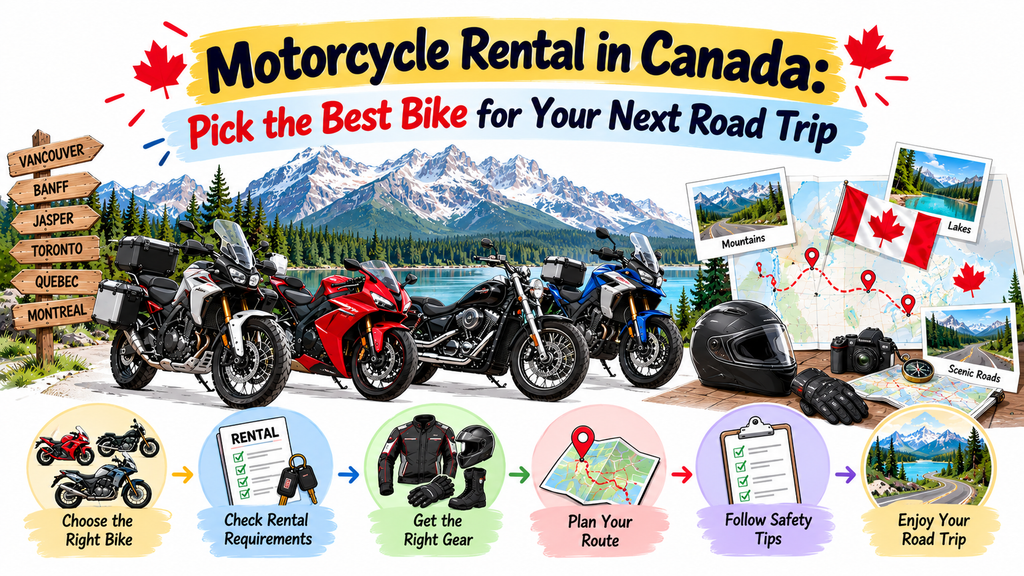
Imagine riding past clear lakes, tall forests, and beautiful mountain views. Canada offers many places where a motorcycle trip can become a special memory. You can visit busy cities, quiet villages, coastal roads, and scenic parks.
The right motorcycle can make your journey more fun. However, you need to think about more than the bike’s looks. Your riding skills, travel plans, budget, and comfort all matter.
Before you start, explore rental options through MotoShare.ca. Review the available details and compare the terms for each motorcycle. Careful planning will help you enjoy the ride with fewer surprises.
1. Decide What Kind of Ride You Want
Start by thinking about your travel plans. Do you want to explore a city, ride along the coast, or spend several days on the highway? Your answer will help you choose a suitable motorcycle.
For Short City Trips
A standard motorcycle can work well for short rides and daily travel. Many models offer an upright riding position. This position may feel more natural during slower rides.
Check the bike’s size before you choose it. A lighter motorcycle may feel easier to move through traffic and parking areas. You should also feel comfortable when you stop at lights.
For Long Highway Journeys
Touring motorcycles often suit riders who plan to cover long distances. Many models offer wind protection, storage, and extra comfort features.
These motorcycles can feel large when you move them slowly. Check the weight, seat height, and controls before booking. Choose a bike that you can handle with confidence.
For Scenic Mountain Roads
Adventure motorcycles can suit trips that include paved highways and certain gravel roads. They often offer a riding position that gives you a clear view ahead.
However, not every adventure motorcycle suits every rider. Some models feel tall or heavy. Check the rental rules before using the bike on unpaved roads.
For Relaxed Scenic Rides
Cruisers often appeal to riders who enjoy a relaxed pace. They may suit scenic routes and steady highway travel.
Some cruisers have low seats but heavy frames. Make sure you can balance and control the bike at low speeds. Comfort matters more than appearance.
2. Match the Motorcycle to Your Skill Level
A motorcycle should suit your experience. Do not choose a large or powerful model just because it looks impressive.
Ask yourself a few simple questions:
- Can I balance the motorcycle when I stop?
- Can I reach the handlebars and foot controls?
- Do I feel comfortable making tight turns?
- Can I manage the bike in slow traffic?
- Can I ride it safely with my luggage?
- Does my licence allow me to use this model?
If you have limited experience, consider a manageable motorcycle. Learn the controls before entering busy traffic. You can also ask the rental provider about the bike’s handling and weight.
Check the provider’s age rules and riding requirements. Some providers may ask for a certain licence class or riding history. Confirm these details before you pay.
3. Work Out the Full Rental Cost
A motorcycle’s daily rental rate does not always show the full cost. Extra charges can increase your travel budget.
Create a simple budget before you book. Include these possible expenses:
- Daily or weekly rental charges
- Taxes and service fees
- Security deposit
- Insurance or damage protection
- Helmet and riding gear
- Fuel
- Parking and tolls
- Extra mileage charges
- Optional accessories
- Late return fees
- Meals and accommodation
Not every provider charges the same fees. Some costs may not apply to your rental. Ask for a clear breakdown before making a payment.
Understand the Security Deposit
A security deposit can protect the provider against certain costs. Ask how much you must pay and when the provider will return it.
Find out whether damage, late returns, or missing equipment can affect the deposit. Keep your payment records and rental documents until the provider settles the deposit.
Check Insurance Details
Never assume that insurance covers every type of damage. Ask what the policy includes and excludes.
Check the excess, which is the amount you may need to pay after a covered claim. Also ask whether the policy includes roadside assistance. Read the terms before you accept the agreement.
4. Read the Rental Agreement Before Paying
A rental agreement explains what you can do with the motorcycle and what you must do before returning it.
Pay close attention to these points:
Mileage rules: Check whether the rental includes a distance limit. Ask about extra charges for longer journeys.
Fuel rules: Find out whether you must return the bike with the same fuel level.
Pickup details: Confirm the collection address, date, and time.
Return conditions: Check the return deadline and any cleaning or late fees.
Damage reporting: Learn how to report scratches, mechanical problems, or accidents.
Road restrictions: Ask whether the provider limits gravel roads, off-road use, or travel outside a set area.
Cancellation terms: Check whether you can change your dates or receive a refund.
Cross-border travel: Get permission before taking the motorcycle outside Canada. Confirm that your insurance and documents cover the planned trip.
You can begin comparing options at MotoShare.ca. Then review the exact conditions that apply to your chosen motorcycle. Contact the provider if any term seems unclear.
5. Check Your Licence and Required Documents
Motorcycle rules differ across Canadian provinces and territories. You should check the rules for every place where you plan to ride.
Make sure your licence allows you to ride the selected motorcycle. International visitors should check whether local rules require an International Driving Permit or other documents.
You may need to carry:
- A valid driving licence
- Identification
- Rental agreement
- Proof of insurance, where required
- Other documents required by local law
Also check local helmet laws, speed limits, passenger rules, and road signs. Rules in Canada may differ from those in your home country.
Do this research before booking. You should not discover a licence problem on pickup day.
6. Build a Realistic Canadian Route
Canada covers a large area. A route that looks short on a map may take much longer than expected. Road work, weather, traffic, and rest stops can all affect your plans.
Start with one main destination. Then add a few places that you want to visit along the way. Leave room for breaks and changes.
Explore Different Parts of Canada
Each region offers a different riding experience.
- British Columbia: Explore coastal scenery, forest roads, and mountain views. Check local weather and road conditions before riding through higher areas.
- Alberta: Plan a trip near the Rocky Mountains. Allow extra time for changing weather and busy tourist routes.
- Ontario: Enjoy lakes, forests, and small towns. Check fuel options before entering quieter areas.
- Quebec: Visit historic towns and scenic countryside. Review local road rules and signs.
- Atlantic Canada: Explore coastal roads and fishing communities. Check ferry schedules if your route includes an island crossing.
Choose roads that match your experience and motorcycle. Some mountain roads have sharp turns and steep sections. Remote routes may offer fewer fuel stops and services.
Plan Your Daily Distance
Avoid filling every day with long riding hours. You need time to eat, rest, and enjoy the places you visit.
Take regular breaks and stop when you feel tired. If you ride with another person, agree on rest stops before the journey begins.
Check road closures and construction notices before leaving each morning. A flexible plan can help you avoid stress when conditions change.
7. Prepare for Weather Changes
Canadian weather can change quickly. A sunny morning may turn cold or wet later in the day. Mountain areas can have different conditions from nearby towns.
Check the forecast before every ride. Pay attention to rain, wind, temperature, and weather warnings.
Pack layers that you can add or remove. Waterproof clothing can help during rain. Gloves and suitable riding boots can also improve comfort.
Do not ride when conditions feel unsafe. Strong winds, icy roads, poor visibility, and heavy rain can make riding harder. Stop in a safe place if the weather becomes dangerous.
Also check seasonal road closures. Some scenic routes may not offer safe access throughout the year.
8. Pack the Right Riding Gear
Good riding gear helps protect your body and improve comfort. Ask the rental provider which items come with the motorcycle.
Your gear checklist may include:
- A properly fitted, approved helmet
- Motorcycle gloves
- Protective jacket
- Riding trousers
- Sturdy motorcycle boots
- Rain gear
- Eye protection, if needed
Check each item before you leave. The helmet should fit securely and feel comfortable. Do not use damaged or poorly fitting safety gear.
You may also need luggage, a phone mount, or extra storage. Ask whether the provider offers these items and whether they cost extra.
Set your navigation before riding. Never handle your phone while the motorcycle moves. Pull over safely when you need to check directions.
9. Inspect the Bike Before You Leave
Take time to check the motorcycle at pickup. A quick inspection can help you find visible damage or safety concerns.
Use this checklist:
- Look at the tyres for visible damage and worn tread.
- Test the brakes.
- Check the headlights and indicators.
- Check the mirrors and controls.
- Test the horn.
- Look for fluid leaks.
- Review the fuel level.
- Check the luggage and accessories.
- Look for scratches, dents, or broken parts.
- Ask about any warning lights.
Take clear photos of the motorcycle from several angles. Record existing damage with the provider before leaving.
Ask the provider to explain unfamiliar controls. If you notice a safety problem, do not start your trip until the provider addresses it.
10. Pack Light and Keep Your Belongings Safe
Motorcycles have less storage space than cars. Pack only what you need and secure everything before riding.
Bring your documents, phone, charger, payment cards, water, and suitable clothing. A small first-aid kit may also prove useful. Keep important items in a secure, waterproof bag.
Do not overload the motorcycle. Extra weight can affect balance and handling. Follow the manufacturer’s load limits and the provider’s instructions.
Check your luggage after every major stop. Make sure straps stay tight and nothing blocks the lights, wheels, or controls.
11. Plan for Fuel and Unexpected Problems
Some Canadian roads pass through remote areas. You may find fewer fuel stations, shops, or repair services along these routes.
Check fuel stops before you leave. Fill the tank when you have a good opportunity, especially before entering remote areas.
Save the rental provider’s contact details. Ask what you should do if the motorcycle breaks down or develops a warning light. Check whether your rental includes roadside help.
If the motorcycle stops working, move away from traffic when possible. Find a safe place and contact the provider. Avoid repairs that you cannot perform safely.
You should also keep emergency contacts and route details available offline. Mobile service may not work in every area.
12. Avoid These Common Rental Mistakes
A few simple steps can prevent many problems during your trip.
Choosing a bike that feels too difficult: Select a model that matches your experience and strength.
Ignoring extra fees: Review the complete cost before you confirm the rental.
Rushing through the route: Give yourself enough time for rest and unexpected delays.
Skipping the bike inspection: Record existing damage and report problems before departure.
Forgetting suitable clothing: Prepare for rain, cold mornings, and changing temperatures.
Misreading insurance terms: Check coverage, exclusions, and the amount you may need to pay after damage.
Leaving fuel too late: Plan fuel stops before entering remote areas.
Returning the bike late: Allow time for traffic, refuelling, and the return inspection.
Ignoring road restrictions: Follow the rental agreement and local laws.
Good preparation can help you enjoy your journey without avoidable problems.
Frequently Asked Questions
1. How do I rent a motorcycle in Canada?
Compare suitable motorcycles and review each provider’s terms. Check licence rules, rental costs, insurance, pickup details, and return conditions before booking.
2. Which motorcycle works best for a road trip?
Touring motorcycles often suit long journeys. Adventure, cruiser, and standard motorcycles may also work well. Choose one that matches your route, comfort, and riding skills.
3. Can international visitors rent motorcycles in Canada?
Some providers accept international visitors who meet their requirements. Check local licence rules, age limits, required documents, and insurance conditions before booking.
4. Do I need a motorcycle licence to rent a bike?
You need a licence that meets local legal requirements for the motorcycle. Check the rules in the province or territory where you plan to ride.
5. Does the rental price include a helmet?
It depends on the provider. Ask whether a helmet comes with the rental or costs extra. Check its fit and condition before riding.
6. What extra costs should I expect?
Possible costs include taxes, deposits, insurance, fuel, riding gear, mileage charges, and optional accessories. The exact costs depend on the provider and rental terms.
7. Can I travel between Canadian provinces on a rental motorcycle?
You may be able to, but you must check the rental agreement and insurance terms. Get the provider’s permission if the agreement requires it.
8. Can I ride on gravel roads with a rental motorcycle?
Check the rental terms before using gravel roads. Choose a suitable motorcycle and confirm that the provider allows the planned route.
9. What should I inspect before leaving the rental location?
Check the tyres, brakes, lights, mirrors, controls, fuel level, and visible bodywork. Photograph existing damage and report safety concerns before departure.
10. What should I do if the motorcycle breaks down?
Move to a safe place away from traffic and contact the rental provider. Follow its instructions for roadside assistance and repairs.
11. When should I plan a motorcycle trip in Canada?
Choose dates based on your destination, weather, and road conditions. Warmer months may suit many trips, but always check local forecasts and seasonal road closures.
12. How can I make my motorcycle journey safer?
Wear suitable protective gear and choose a bike that matches your skills. Plan rest stops, check the weather, follow local rules, and avoid riding when tired.
Final Thoughts
A motorcycle trip across Canada can bring beautiful views and memorable experiences. Good planning helps you enjoy the journey with greater comfort and confidence.
Start by choosing a motorcycle that suits your skills. Check the rental terms, prepare your documents, and understand the full cost. Plan a realistic route and prepare for changes in weather.
Visit MotoShare.ca to explore rental options as you plan your trip. Compare the details carefully and confirm important terms with the provider.
Take your time, ride within your limits, and leave room for unexpected stops. A well-planned journey can help you enjoy more of Canada’s open roads.